

Articles
Training Muscle Fiber Types
Researchers and bodybuilders alike have pondered over the years if it’s possible to isolate muscle fiber types with specific training strategies. Is this possible?

Researchers and bodybuilders alike have pondered over the years if it’s possible to isolate muscle fiber types with specific training strategies. Is this possible?

Several studies have found that the hamstrings are not overly activated during squats. Does this paint a full picture of hamstrings involvement in the squat?

Many lifters take NSAIDs or pain killers to alleviate muscle soreness following intense training. Is this the best practice for promoting recovery and gains?

BCAAs have come under fire in recent years with many questioning their usefulness. What factors need to be considered to make these claims?

Mechanical tension has quickly become the main accepted stimulus for muscle growth. What is mechanical tension? Can we measure it? Why would this be important for growth?
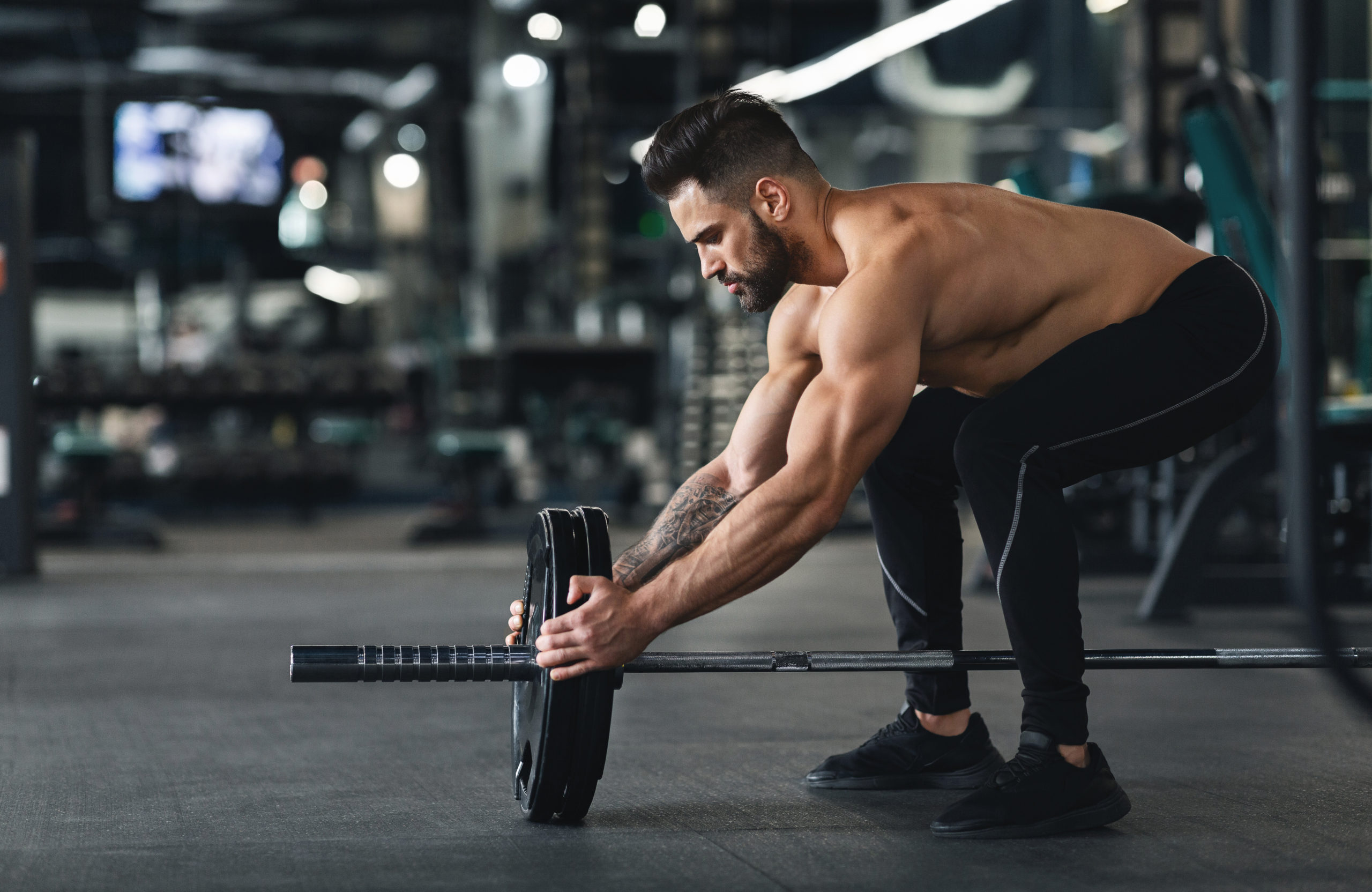
Just about every bodybuilder knows the importance of progressive overload, but what exactly is progressive overload? How can you plan and achieve it?





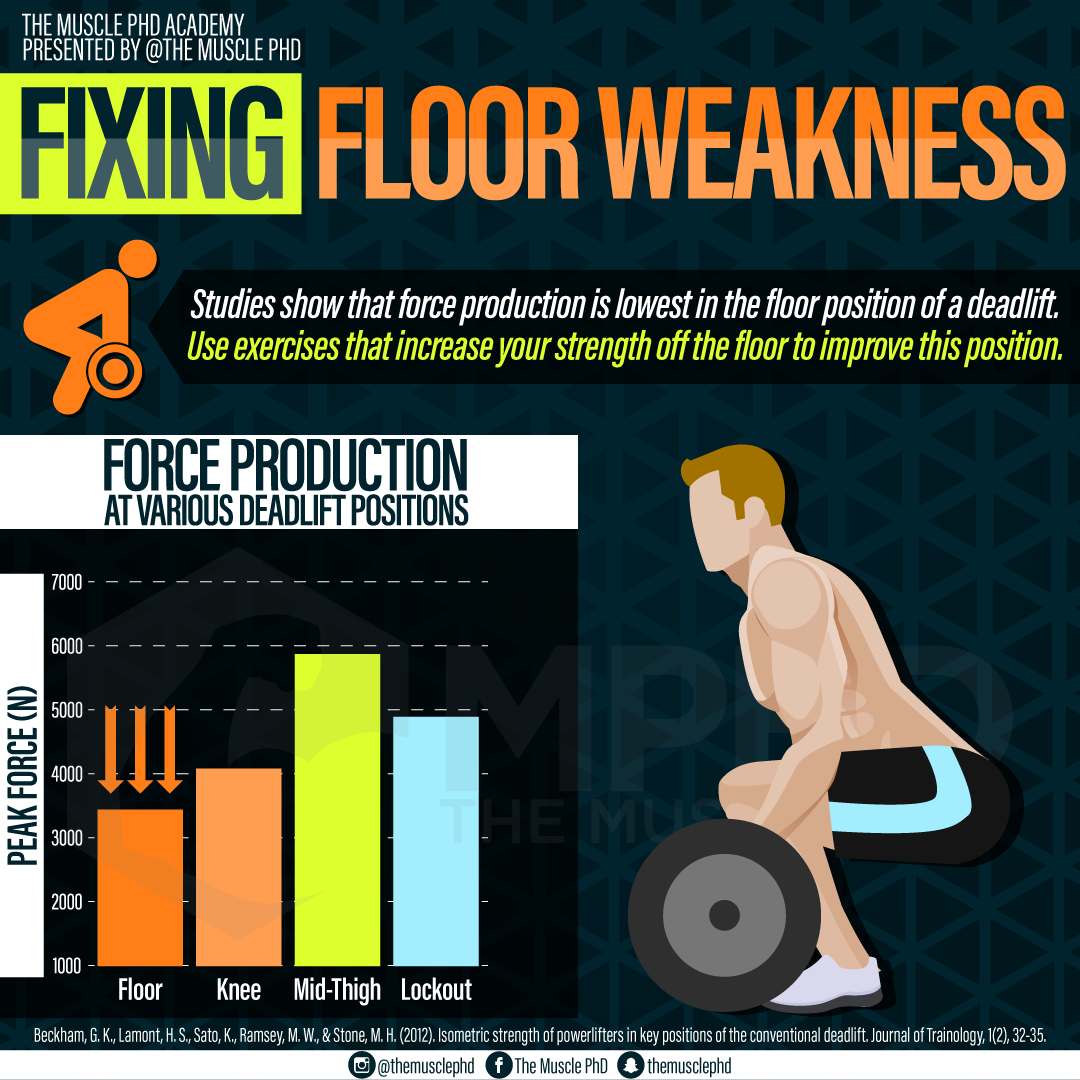
Some lifters experience difficulty pulling from the floor during the deadlift. Mobility work may be necessary for beginners, but advanced lifters need specific training to overcome this.
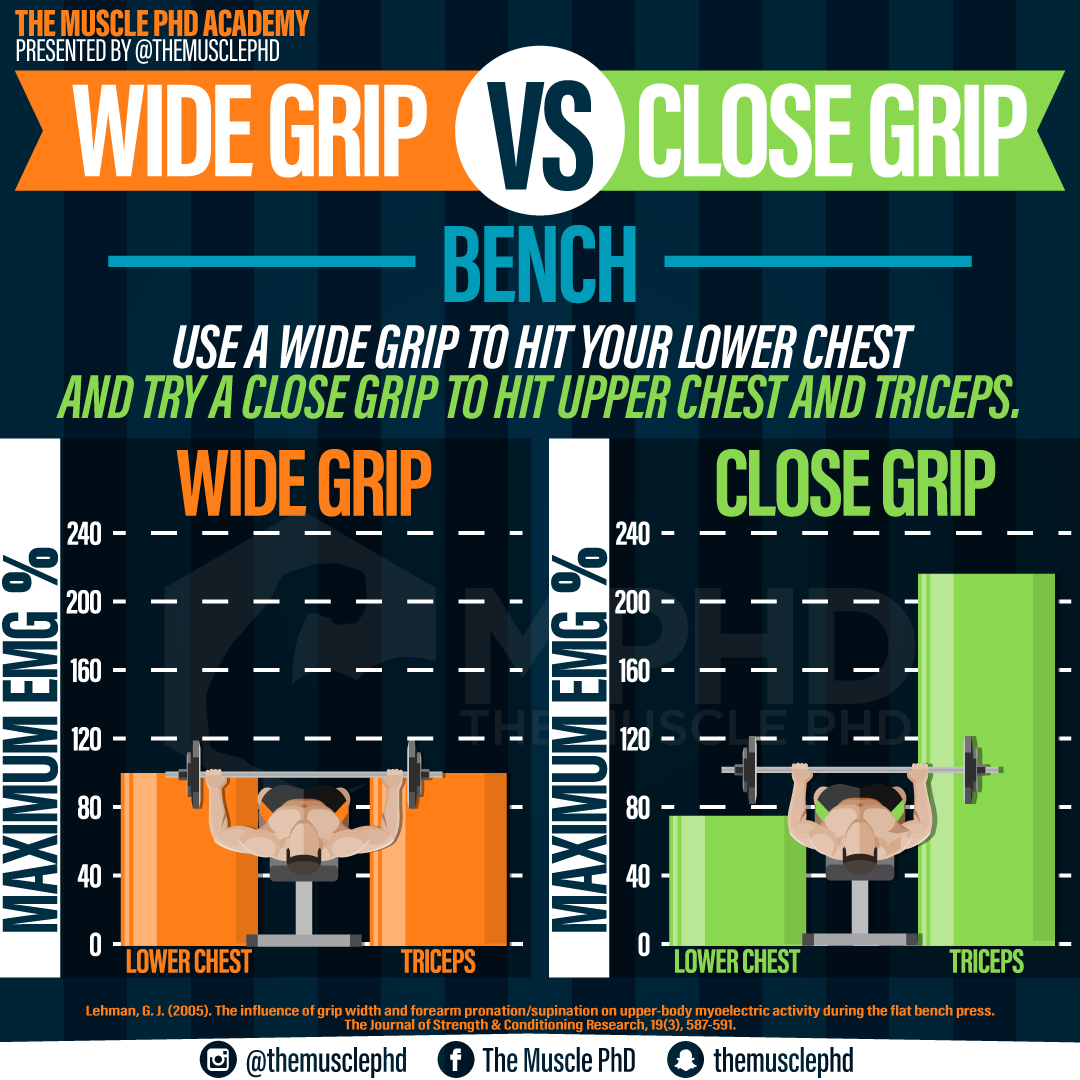
This study confirmed a classic gym theory that a wide-grip bench press will target the chest more while a close-grip bench press emphasizes the triceps more.
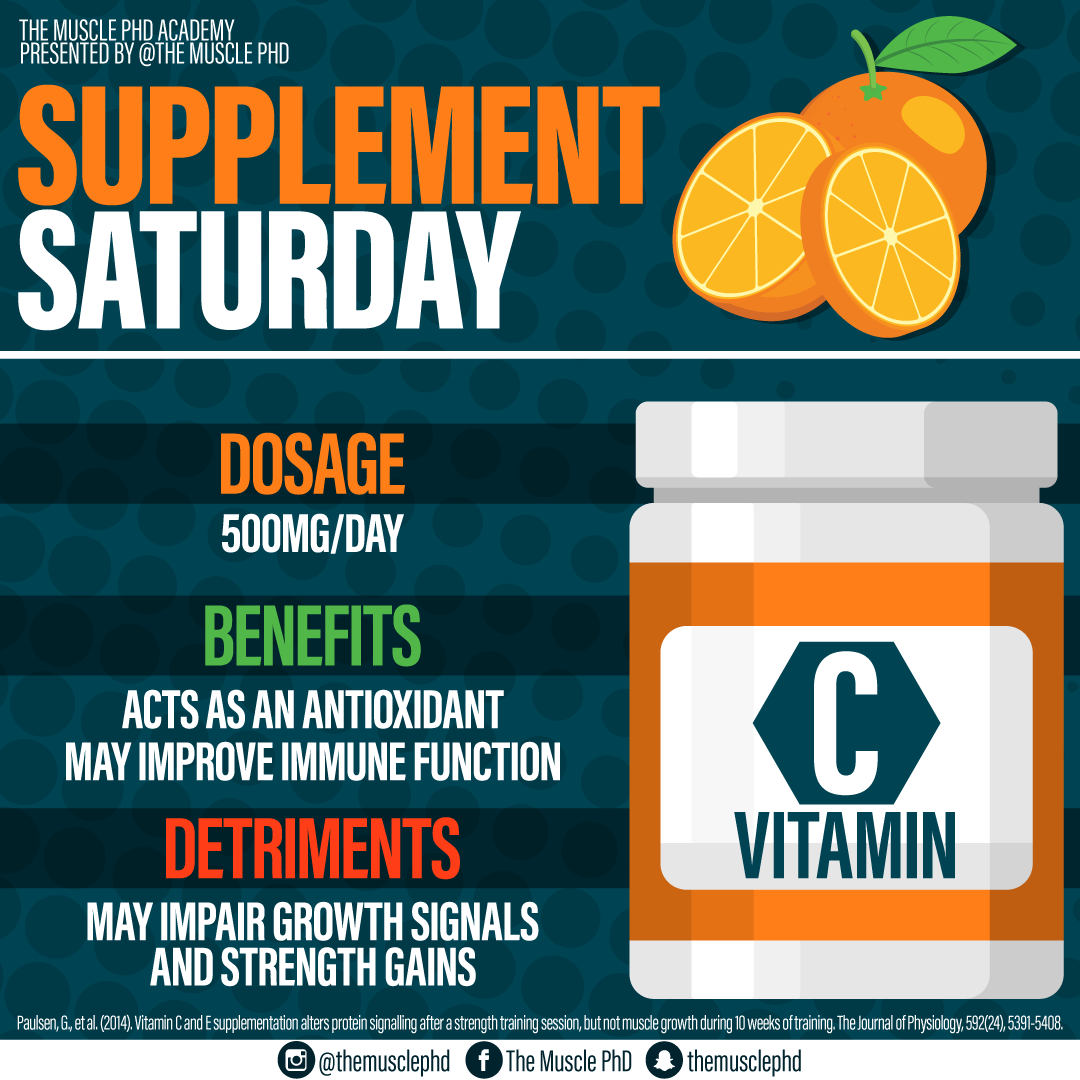
Vitamin C is important for overall health and especially for immune function. However, bodybuilders may want to avoid taking vitamin C around their workout as it can impair growth signals.

Muscle damage and soreness has often been associated with muscle growth. However, more current research seems to point towards the contrary.
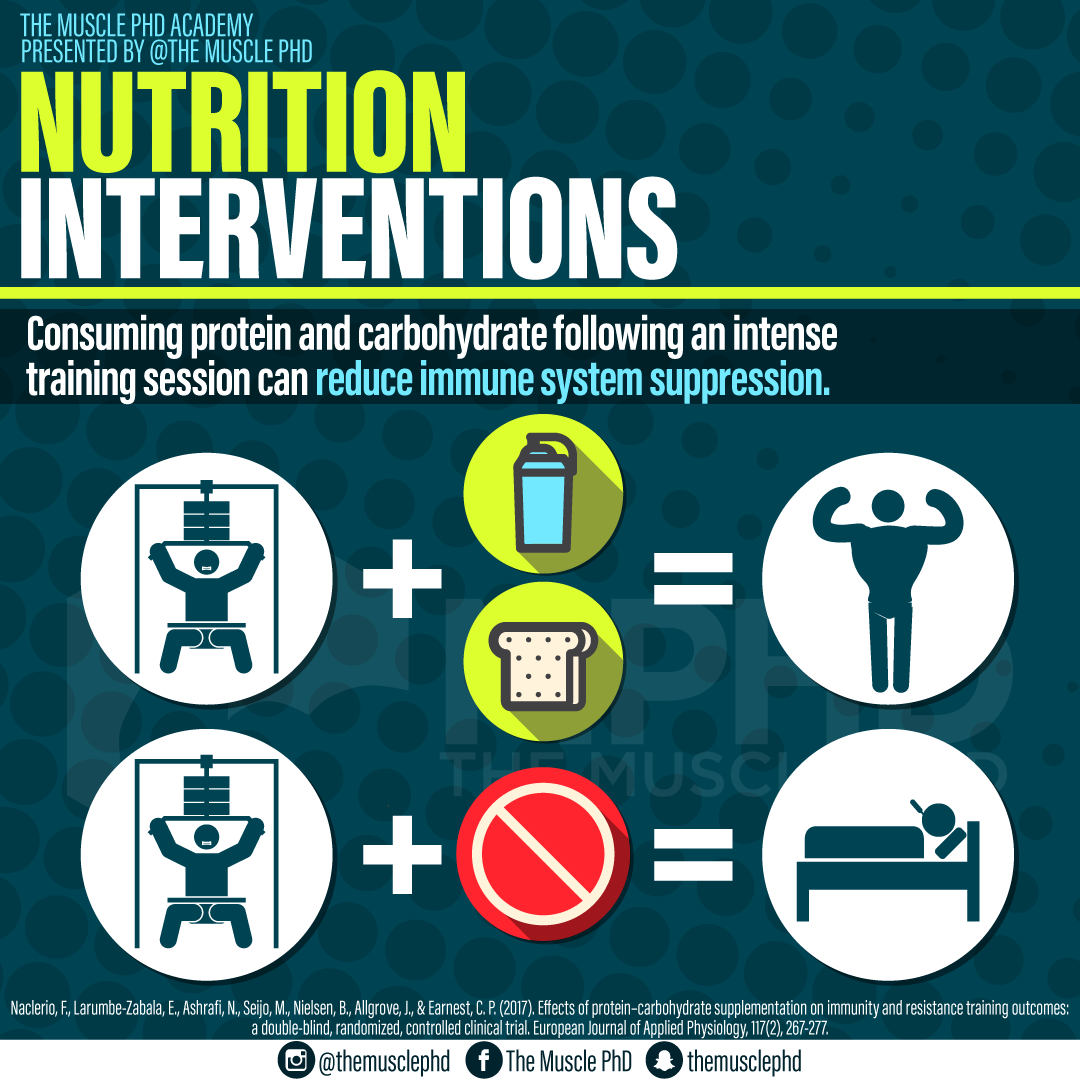
Post-workout nutrition is often touted as important for gains and recovery, which is certainly true, but proper nutrition at this time can also improve immune function.

Reducing calorie intake is necessary to drop significant fat during a cut. What’s the best deficit for maintaining muscle mass during a cut?
In this episode of the Muscle PhD Live Academy we will discuss how to measure the intensity of your workouts.

How do you read research studies? What are some tricks to dig through these issues and understand the science?

In this episode of The Muscle PhD Academy Live, we will talk about suicide diets and metabolic adaptation

In today’s video, we will discuss ways to calculate your Vo2Max.Vo2Max is the maximum rate of oxygen consumption measured during incremental exercise; that is, exercise of increasing intensity. Why is this important for strength athletes and bodybuilders?

Should I have protein before bed? Dr Wilson will answer this question and explain how and when protein intake before bed will improve your gains.

Compound vs isolation movements. Dr Wilson will discuss the advantages and disadvantages to each type of movement.